How Neuroplasticity and Positive Inspirations Can Rewire the Brain
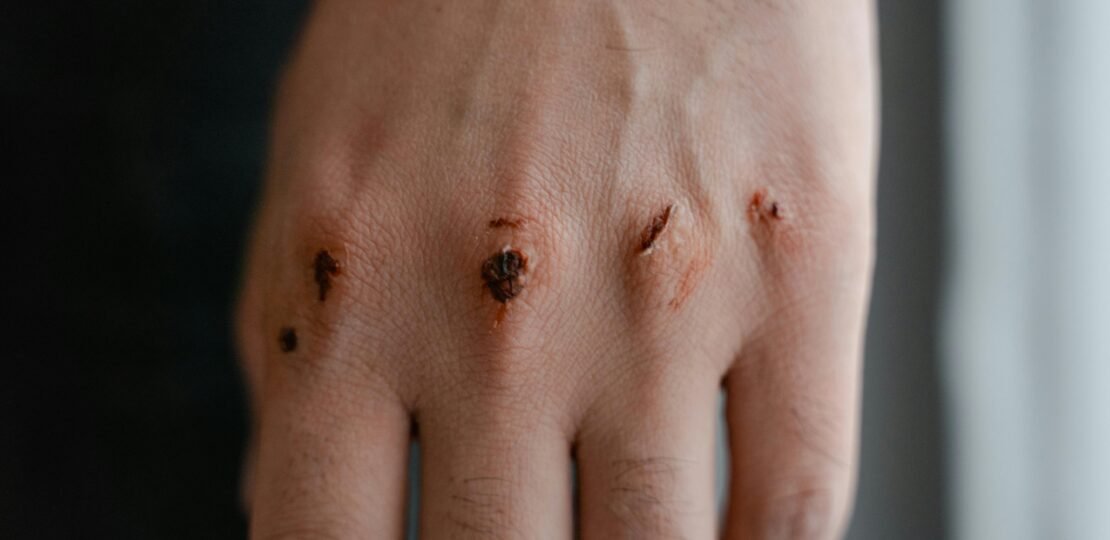
Trauma can profoundly impact the brain, often leading to heightened stress responses, negative thought patterns, and emotional distress.
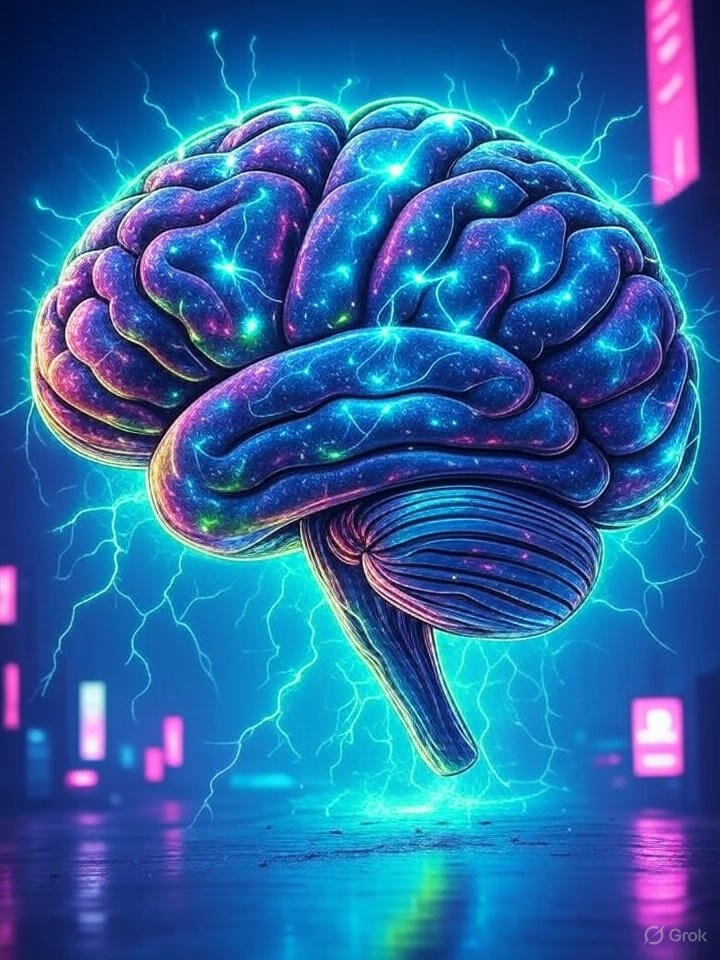
Experiences like abuse, loss, or accidents disrupt neural pathways, reinforcing fear, hypervigilance, and self-doubt. However, the brain’s remarkable ability to adapt—known as neuroplasticity—offers a pathway to recovery.
Through consistent exposure to positive stimuli, such as affirmations and uplifting inspirations, new neural connections can form, gradually overriding trauma-induced patterns and fostering resilience, hope, and emotional well-being.
Neuroscience supports this process: repeated positive affirmations activate brain regions like the prefrontal cortex (involved in decision-making and emotion regulation) and reduce activity in the amygdala (the fear center). Studies show that affirmations increase dopamine and serotonin, promote mindfulness, and create feedback loops of positive reinforcement, helping to alleviate symptoms of PTSD, anxiety, and depression.
While affirmations alone may not replace professional therapy (especially for complex trauma, where evidence-based approaches like EMDR or CBT are essential), they serve as a powerful complementary tool for daily rewiring.
Apps designed for positive inspirations play a key role here by delivering daily doses of uplifting content. One excellent example is MindSavi (available at https://www.mindsavi.com), a mental wellness app focused on neuroscience and neuroplasticity. It provides curated positive affirmations, inspirations, and community-shared encouragement to help users shift thinking patterns over time—often citing the 22–300 days needed for lasting neural changes.
Useful Ways to Use MindSavi for Trauma Recovery
Based on its features for daily positive exposure and habit-building:
Daily Review of My Inspirations: Add liked or personal affirmations to your private “My Inspirations” area. Review them each morning or evening to reinforce positive neural pathways, countering trauma-related negative self-talk.
Social Inspirations Area: Browse and share encouraging words in the community section (while adhering to copyright rules—share small attributed quotes with original commentary). This fosters connection, reducing isolation common in trauma, and exposes you to diverse uplifting content.
Habit-Building for Consistency: Set reminders for daily engagement. Research emphasizes repetition (e.g., 21–66 days for habit formation, extending to months for neuroplastic changes) to gradually rewire responses to triggers.
Focus on Gratitude and Scripture (if relevant): Curate inspirations around gratitude or positive Bible verses, which studies link to reduced cortisol and boosted immunity through neuroplasticity.
MindSavi creates a positive-only environment, making it ideal for gentle, ongoing exposure therapy-like practice.
Start small—consistency over intensity yields the best results. For severe symptoms, combine with professional support.
Explore our app and begin your journey toward positive change
Head over to our app today to start sharing and collecting inspirations, and sign up for the newsletter and follow the exciting development journey, and begin your transformation. Your brain—and your future self—will thank you.
RELATED POSTS
View all


Introducing MindSavi: Rewire Your Brain with Daily Positive Focus
December 13, 2025 | by David Czerwinski

Al-Razi (Rhazes) and Early Neurological Treatments in Medieval Medicine
January 8, 2026 | by David Czerwinski