

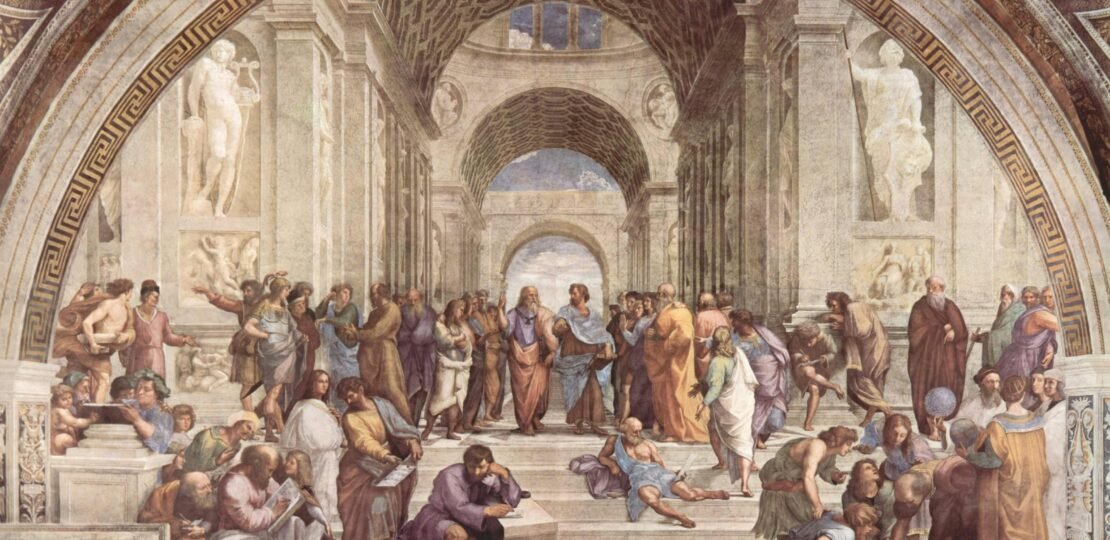
Andreas Vesalius and De Humani Corporis Fabrica
An MVP version of Chapter 13 Volume 1 of the Neuroscience Edition
The 16th-century Renaissance revived human dissection, challenging ancient authorities like Galen. Andreas Vesalius (1514–1564), Flemish anatomist, led this shift with De Humani Corporis Fabrica (1543)—correcting errors, depicting body accurately. His brain, nerve, skull observations advanced neurology, laying modern anatomy foundations.

Title page of Andreas Vesalius’s groundbreaking De Humani Corporis Fabrica (credit: Wikimedia)
Picture young Vesalius in 1530s Padua. He steals bodies, dissects secretly. In lectures, he demonstrates on cadavers while professors read Galen—pointing discrepancies: Galen’s animal-based descriptions mismatch human. Students react; tradition shifts. This anecdote shows Vesalius’s empirical courage.
Born Brussels to medical family, Vesalius studied Paris but grew skeptical of Galen. In Padua, MD at 22, professor performing public dissections. Fabrica—seven volumes with detailed woodcuts—showed muscles, bones, nerves, brain precisely.
Vesalius corrected Galen:
- Brain as mind’s seat
- Human brain convolutions differ from animals
- Ventricles not primary—solid tissue key
- Detailed cranial nerves, spinal cord
Described rete mirabile absence in humans (Galen’s error from oxen).

Detailed brain illustration from De Humani Corporis Fabrica (credit: Wikimedia)
Fabrica‘s impact: corrected textbooks, inspired advances. Though criticized, Vesalius’s method prevailed.
As we approach Descartes, Vesalius highlights observation’s role—foundation for brain adaptability understanding.
Buy the Full Book on Amazon
Want the complete, extended version with deeper stories, research, and scientific insights? Get Volume 1 (and the full series) on Amazon.
Try MindSavi – Our Brain-Training App
Practical daily tools based on the same principles in the books. Scripture-based reflections, grounding exercises, and habit builders to help you renew your mind.
RELATED POSTS
View all



Thomas Willis – The Father of Neurology and Cerebri Anatome Chapter 15 of Volume 1 of the Faith Based Edition
January 8, 2026 | by David Czerwinski