

The Neuroscience of Emotional Connection, Neuroplasticity, and How MindSavi Fosters Deeper Empathy and Mental Healing
Have you ever felt an instant emotional shift just by being around someone—picking up their joy, anxiety, or calm without a single word? This profound phenomenon is called limbic resonance, where our brains’ emotional centers synchronize, creating a shared emotional state. The term was popularized in the influential book A General Theory of Love by Thomas Lewis, Fari Amini, and Richard Lannon (2000), who described it as “a symphony of mutual exchange and internal adaptation whereby two mammals become attuned to each other’s inner states.”¹
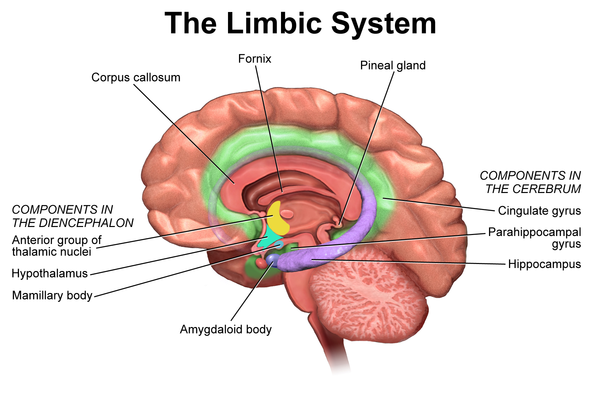
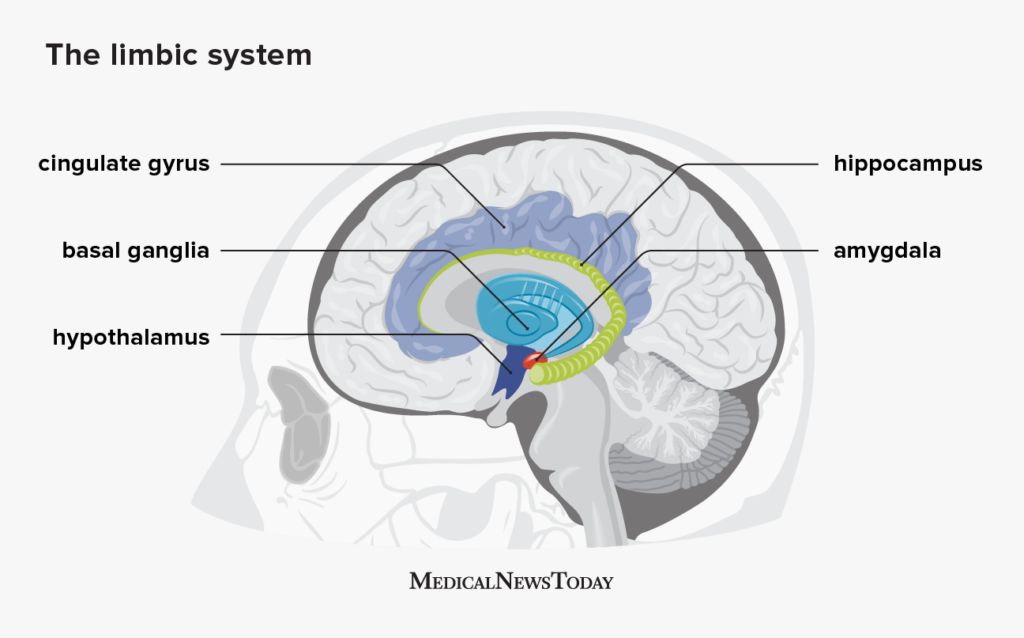
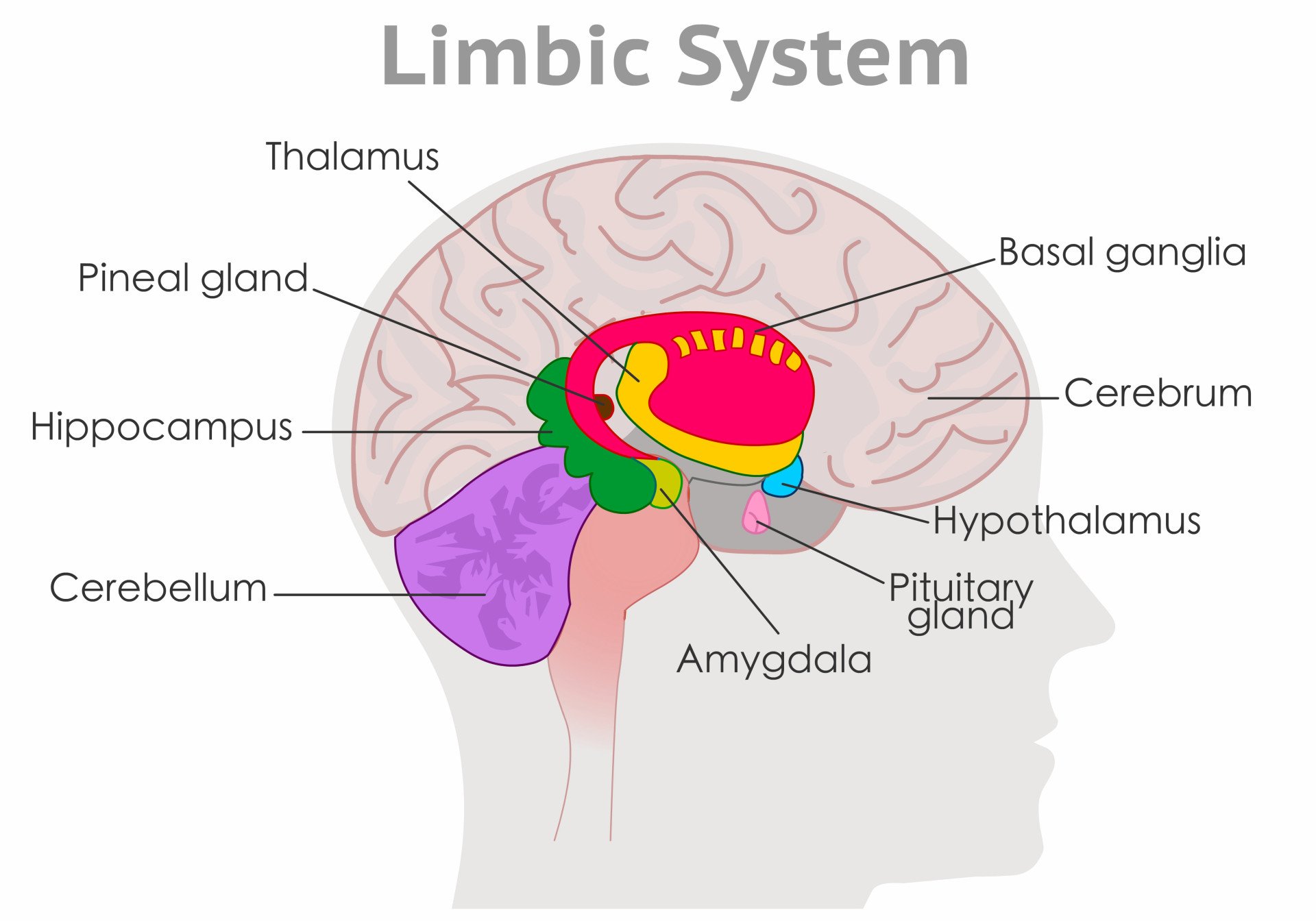
Neuroscience explains limbic resonance through mirror neurons, discovered in macaque monkeys in the 1990s and later confirmed in humans. These neurons activate both when we perform an action or feel an emotion and when we observe it in others, creating an internal simulation of the other’s state.³
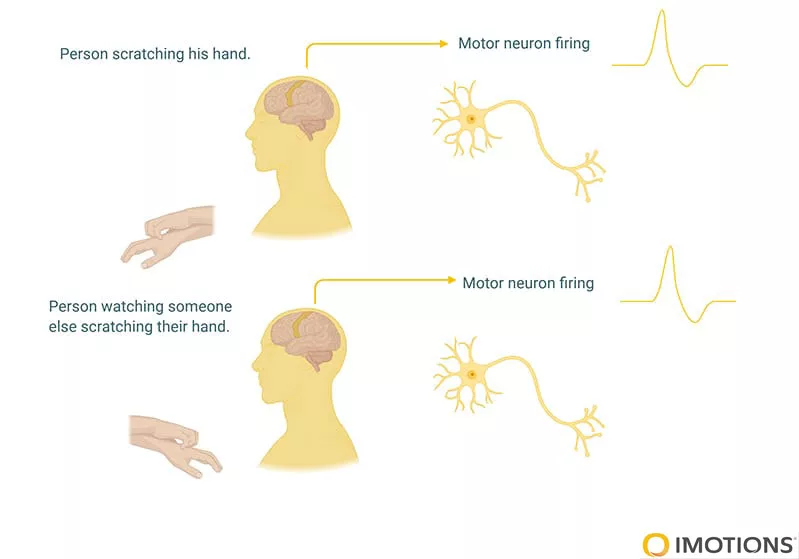

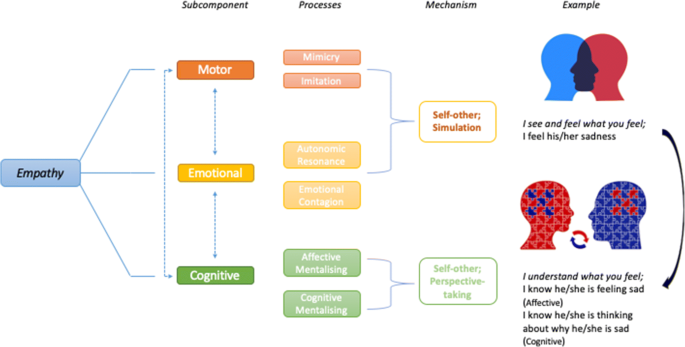
Functional MRI (fMRI) studies reveal that empathy engages mirror neuron networks in frontal and parietal areas, relaying signals to limbic regions via the insula for shared emotional experience.³ For example, seeing someone’s pain activates similar pain-processing circuits in the observer.⁴
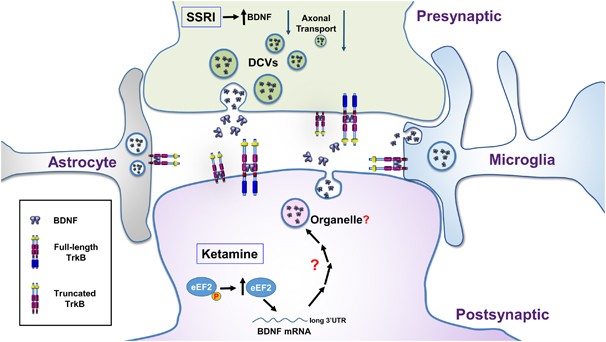
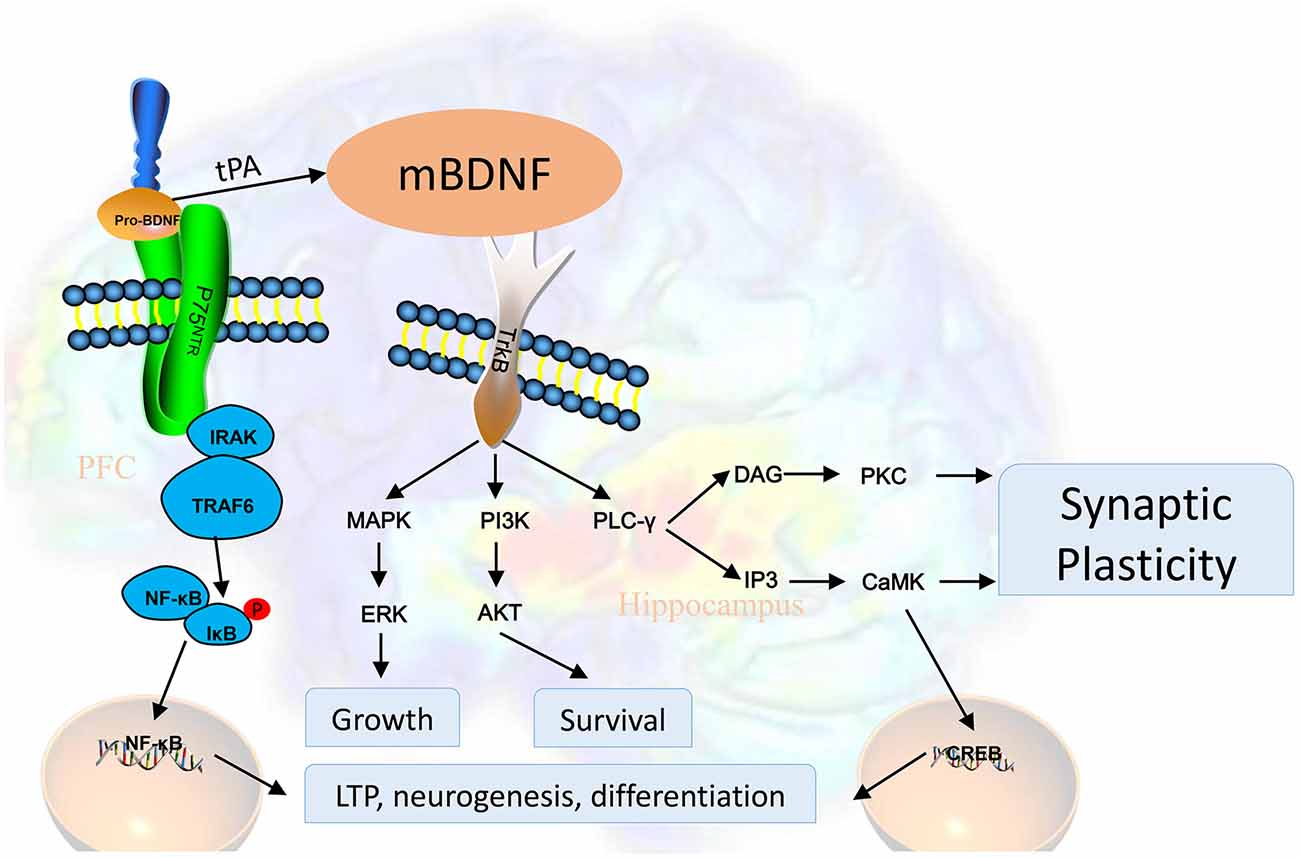
Limbic resonance extends beyond moments—it’s intricately linked to neuroplasticity, the brain’s ability to reorganize connections throughout life. Positive, attuned interactions release brain-derived neurotrophic factor (BDNF), a protein that promotes synaptic growth and strengthens limbic-prefrontal pathways for better emotional regulation.⁵


RELATED POSTS
View all


Introducing MindSavi: Rewire Your Brain with Daily Positive Focus
December 13, 2025 | by David Czerwinski

The Neuroscience of Connection vs. Stress: Balancing Oxytocin and Cortisol with MindSavi
January 17, 2026 | by David Czerwinski