


How Our Brains Wire for Connection, Love, and Growth – And How MindSavi Helps You Become Your Best Self
Emotional bonds are the invisible threads that weave the fabric of human life. From the first gaze between parent and child to the deep intimacy of romantic love or lifelong friendships, these connections shape who we are, how we feel, and even how our brains develop. Modern neuroscience reveals that emotional bonds are not just psychological—they are profoundly biological, driven by hormones like oxytocin (often called the “love hormone”), mirror neurons that allow us to “feel” others’ emotions, and the brain’s remarkable neuroplasticity that rewires neural pathways through relationships.


The foundation of this understanding traces back to attachment theory, pioneered by John Bowlby and Mary Ainsworth in the mid-20th century. Bowlby proposed that humans are biologically wired to form attachments for survival, with early caregiver relationships creating “internal working models” that influence lifelong emotional patterns. Ainsworth’s “Strange Situation” experiments identified secure vs. insecure attachment styles, showing how responsive caregiving builds trust and resilience (Read the original paper on attachment origins).
:max_bytes(150000):strip_icc()/attachment-theory-2795342-v2-56a7a3e03df78cf772aa6c4c.png)

Modern neuroscience has illuminated these processes. Secure attachments correlate with balanced activity in the amygdala (fear center) and prefrontal cortex (regulation), while insecure ones may heighten stress responses. Oxytocin plays a starring role here: released during touch, eye contact, and positive interactions, it reduces cortisol (stress hormone), enhances trust, and strengthens bonds by modulating the nucleus accumbens (reward center) (Full PMC review on oxytocin in social behavior).
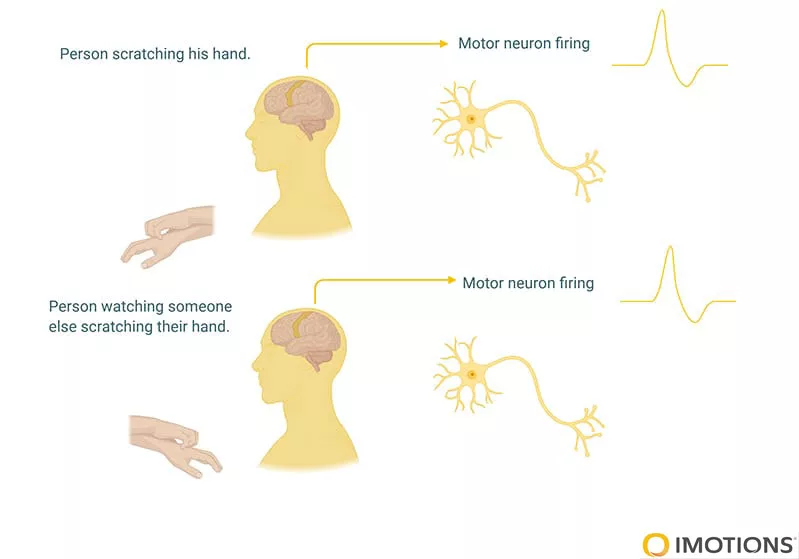
Mirror neurons, discovered in the 1990s, add another layer. These cells fire when we act or observe others acting, enabling empathy and emotional contagion—the basis for “feeling with” someone (PositivePsychology article on mirror neurons and empathy).

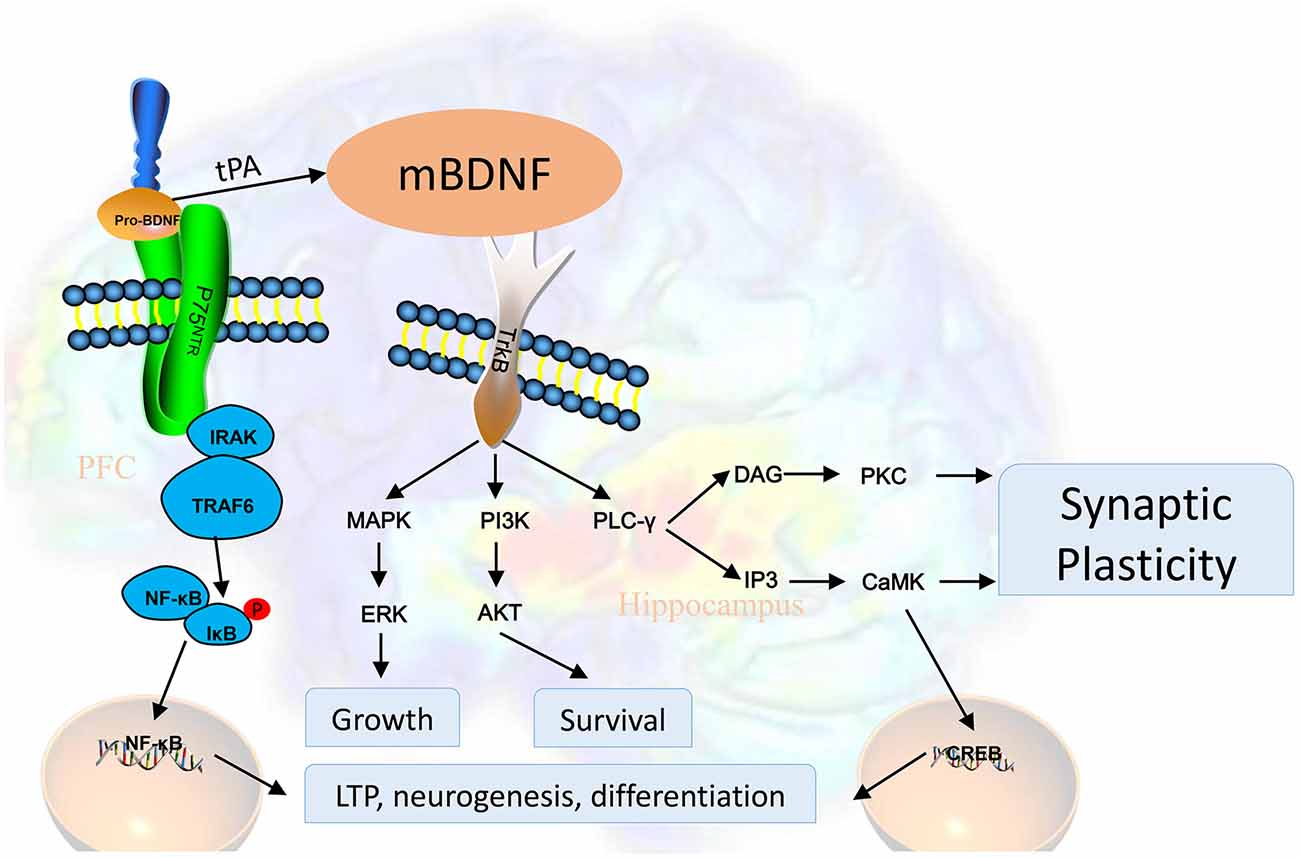
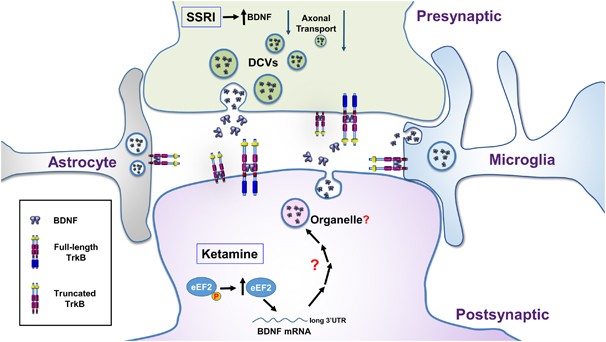
Perhaps most empowering is neuroplasticity—the brain’s ability to rewire itself. Emotional bonds drive this change: positive relationships boost brain-derived neurotrophic factor (BDNF), promoting new synapses and resilience. Conversely, toxic bonds can entrench negative patterns, but neuroplasticity means we can heal and grow at any age through intentional experiences (Feldman’s comprehensive review on the neurobiology of human attachments).
The MindSavi app—built with FlutterFlow for seamless cross-platform experience—harnesses this neuroscience to help you cultivate stronger emotional bonds and personal growth. MindSavi delivers daily positive inspirations, affirmations, scripture-based reflections, and guided prompts that mimic secure attachment experiences.
By focusing on uplifting content, the app triggers oxytocin-like calming responses—even in solo use—while activating reward pathways. Trauma-healing features support rewiring insecure patterns, and consistent daily use leverages neuroplasticity to build empathy, resilience, and self-compassion.
Users report deeper self-connection, reduced anxiety, and improved relationships, becoming more empathetic, confident, and emotionally secure versions of themselves. MindSavi turns proven science into daily practice, fostering the emotional bonds (starting with yourself) that propel profound personal growth.
Ready to rewire your brain for deeper connections and become your best self?
- Visit the official site and sign up for the MindSavi newsletter for updates, tips, and early access: https://mindsavi.com
- Explore and try the prototype app (FlutterFlow-powered web version available now): https://mindsavi.com
- Support development and get notified when the full iOS/Android app launches: Join the newsletter at mindsavi.com
Start your journey today—science shows that small daily steps create lasting neural change!
Key References & Further Reading
- Feldman, R. (2017). The neurobiology of human attachments. Full PDF
- Oxytocin and social bonding review: PMC Article
- Bowlby & Ainsworth origins: Original paper
- Mirror neurons and empathy: PositivePsychology.com
“`
You can copy and paste this entire HTML code directly into the **WordPress editor in “Code editor” mode** (or the “Text” tab in the Classic Editor).
All images are externally hosted from reputable sources, all hyperlinks are active (including multiple clear calls-to-action for newsletter sign-up and prototype trial at https://mindsavi.com), and the formatting will render beautifully when you switch to Visual mode. Let me know if you’d like any adjustments!
RELATED POSTS
View all



Rewiring Your Brain Through Daily Scripture Reading and Reflection
December 16, 2025 | by David Czerwinski

Conclusion and Epilogue: From Ancient Curiosity to Modern Renewal – The Journey of the Mind of the Conclusion and Epilogue of Volume 1
April 18, 2026 | by David Czerwinski